

America’s Progress Is Built on What Lies Beneath
For centuries, civilization has advanced on the strength of what lies beneath the earth. The minerals, metals and energy that power economies, connect people and build nations have always been the true catalysts of progress. Our industry has been there from the beginning, quietly shaping the world, unseen but indispensable.
You may not know us but the commodities that have been our business for more than half a century are all around you: from the copper that conducts electricity through power grids to the cobalt in batteries; from the zinc that strengthens skyscrapers and bridges to the fuels that power our industries. We help deliver the strategic resources that support growth, security and innovation.
Now, as the world navigates a new era of transformation where technology, energy and geopolitics converge our role has never been more important. The commodities our industry produces are building blocks for the infrastructure behind artificial intelligence, automation, and security – making them key for the future.
At Glencore, we are a global natural resources company, operating across the full value chain – from extraction to marketing to circular recovery. We are a trusted partner of those who help build and power the world.
From beneath the surface, we help unearth the building blocks of possibility and prosperity. We advance everyday life as your strategic resource partner.
The world is changing fast. So are we.
Because the future needs commodities.


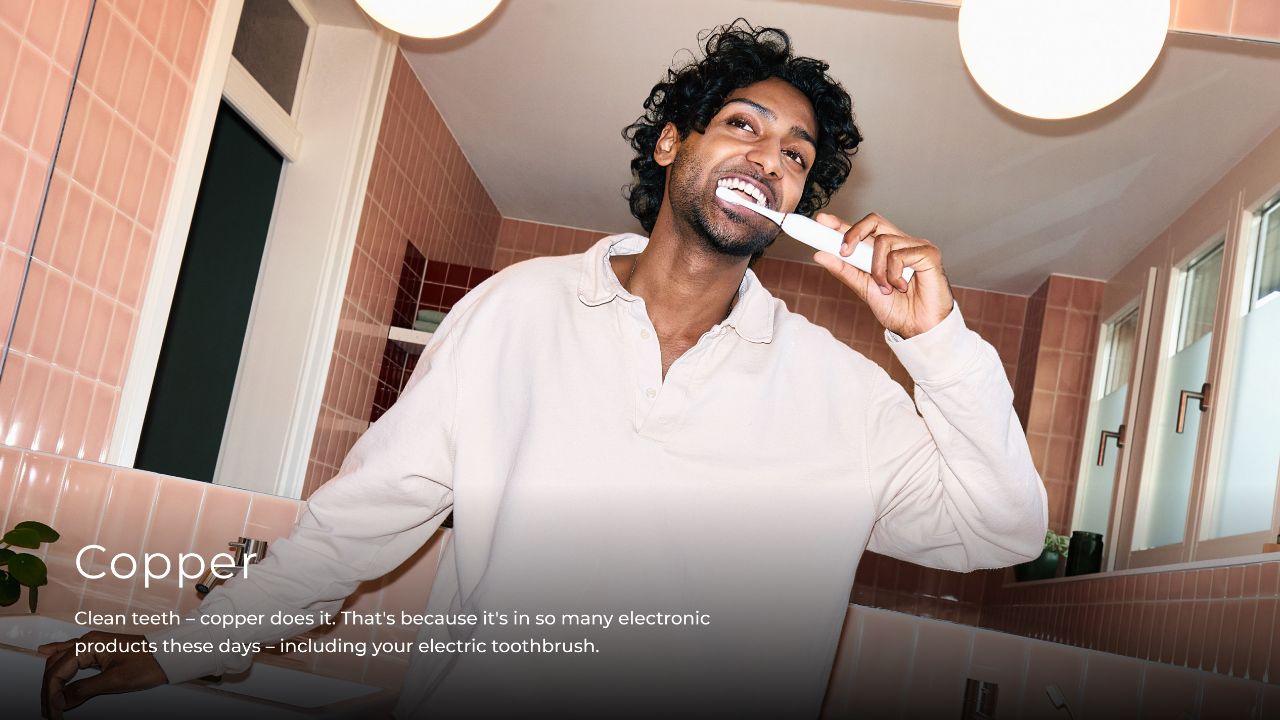
Copper is an absolute all-arounder. You'll find it in cabling, computer connections and wind turbines, since it is particularly conductive. Copper is also used for drinking water pipes and sanitary fittings. Finally, as an alloy, it is resistant to high temperatures and corrosion. According to the IEA*, some 25.8 megatons of copper were needed in 2023. In 2050, the demand is expected to reach around 40 megatons*, and the upward trend looks set to continue. We extract this raw material from copper ore. We mine and process it in South America and the Democratic Republic of the Congo.
-
1083°C
is the melting point of copper.
-
>80%
of energy required by primary production can be saved by recycling copper.
Metal of the future
Discover the history of copper. How it is mined, what it is used for today, and why it is so important for the future.
Video produced in February 2023


Zinc is estimated to be the fourth most commonly used metal in industry after iron, aluminum and copper. As a coating, it can help to protect steel and iron from rust. This makes zinc important for the infrastructure behind renewable energy, such as offshore wind turbines. But it can also be found in aerospace technology, buildings, vehicles and nearly every household. Electrical appliances and the circuit boards of mobile phones often contain zinc, as do pharmaceutical products and cosmetics. In nature, zinc is mostly found bound in ores. We extract, process, smelt and refine these ores. Various recycling processes also make it possible to reuse zinc.
-
0.007%
is the approximate proportion of zinc in the earth's crust, making it – quite surprisingly – a fairly abundant element.
-
419°C
is the melting temperature of zinc.
Zinc in action
-
Zinc sounds good
Perhaps the next time you hear a brass band, your mind will suddenly turn to raw materials – or zinc, for that matter. After all, the brass in many wind instruments such as the trumpet, horn, trombone and tuba is an alloy made of copper and zinc.
-
Zinc looks pretty
Many cosmetics and medicinal creams contain zinc oxide. It helps to dry out and combat blemishes and skin inflammation. Zinc oxide also protects the skin from UVA and UVB radiation – which is why it can be found in many sunscreens.
-
Speedsters, big and small
Still have an old toy racing track in the attic? Or a couple of toy cars? If so, you probably have lots of fond memories. From the 1930s onwards, these little objects of desire on four wheels were manufactured as die-cast molds made of zinc alloys. But even larger cars, not to mention racing cars, can benefit from this raw material. Strength, flexibility and, above all, resistance to corrosion are some of the key properties of zinc alloys. A major topic for mobility as a whole.


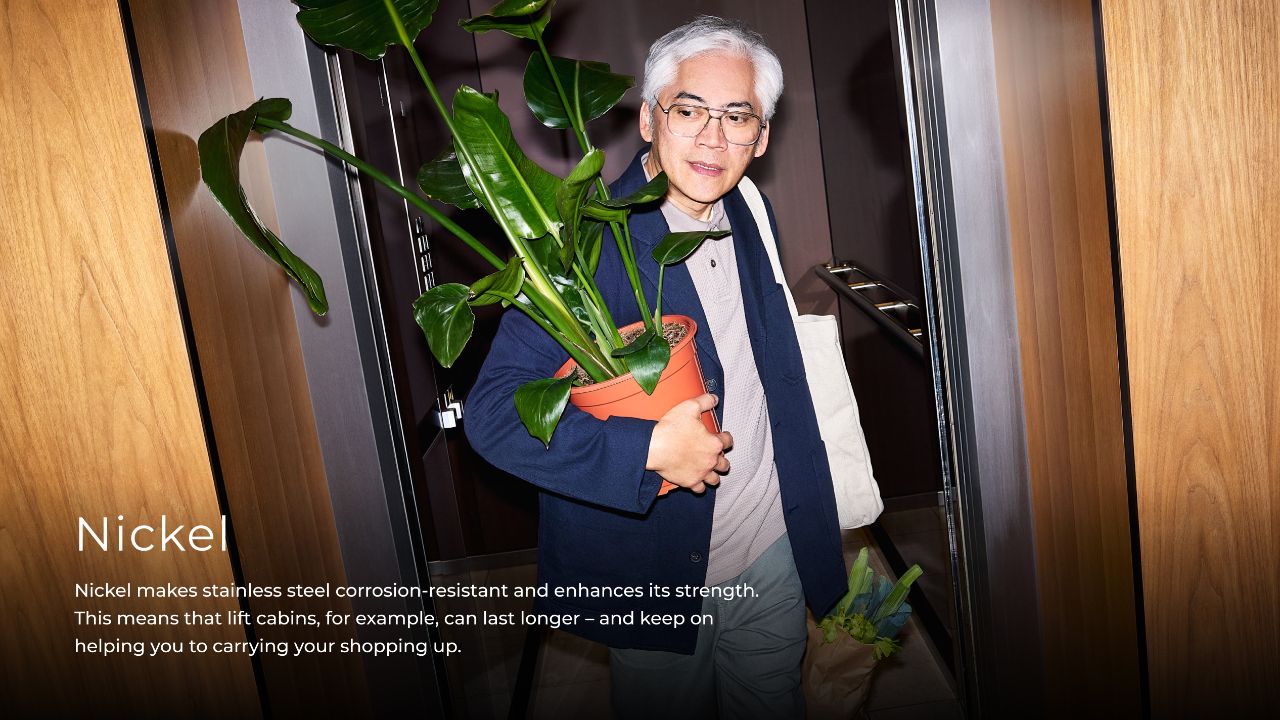
Nickel can be found in many things – such as in aircraft and rocket engines, in the batteries that power laptops, toys, kitchen appliances and DIY tools. But it can also be used in breweries' beer tanks, thermos flasks and in Swiss coins. Nickel is often invisible. That's because it is usually used in small quantities to make alloys. Yet it can have a huge impact. It can help make batteries in EVs more powerful. Engines can be used at high temperatures and are less likely to melt. And stainless steel is less likely to corrode when it is used in cooking or as a construction material. As a side note, approximately two thirds of global nickel production is used to produce stainless steel. Our nickel operations are located in Canada, Australia and Norway.
-
6000°C
is the approximate temperature of the earth's inner core – it is made up of nickel and iron.
-
1751
Axel Frederic Cronstedt discovers the previously unknown mineral and names it nickel.
-
1881
The first coin made of pure nickel was minted – a Swiss 20-centime coin.
Nickel – an absolute all-arounder
Find out about the countless uses of nickel and what it can do for the future.
Video produced in February 2022
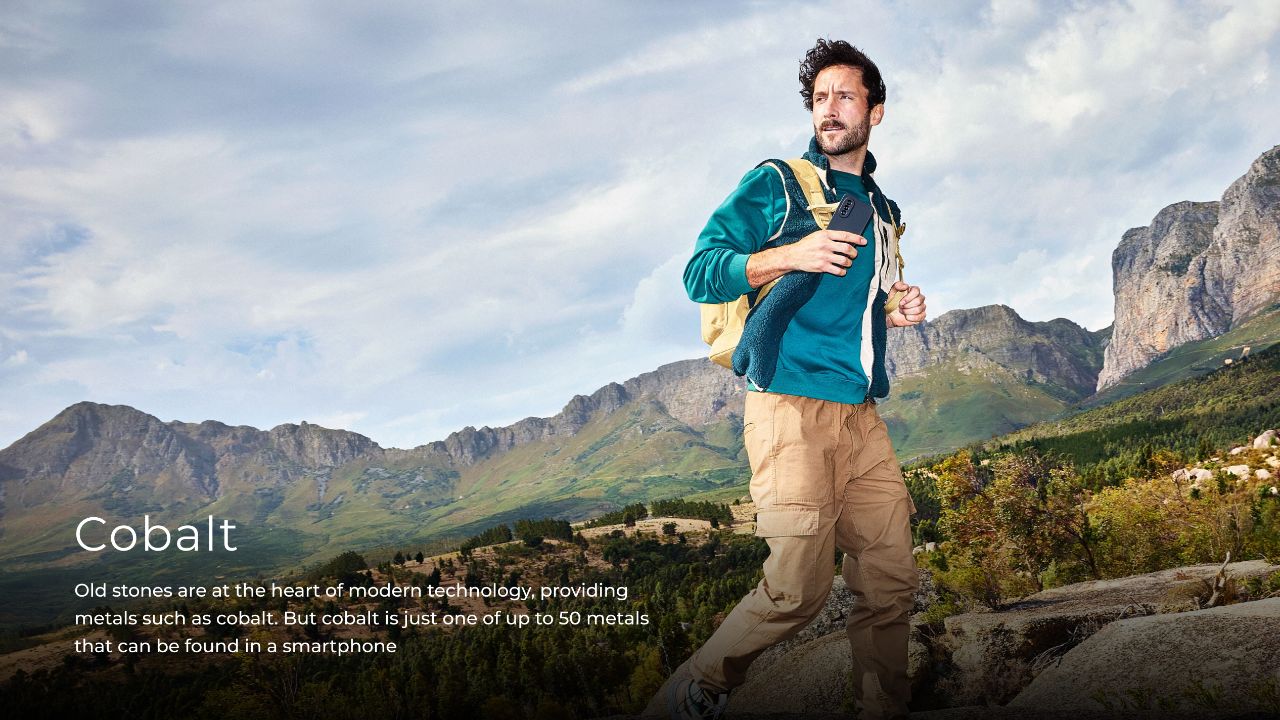

As we move towards a low-carbon economy, cobalt is a key raw material. Electric mobility, renewable energy systems and electronic devices such as laptops and mobile phones often contain cobalt. After all, this metal offers a whole range of useful qualities. One example is that it can protect rechargeable batteries from overheating, making them safer and longer-lasting. It can also increase the strength of tools and enhances the strength, toughness and conductivity of materials. Cobalt is not usually found in its pure form, but as a by-product of copper and nickel production. We extract and process cobalt in the Democratic Republic of the Congo, in Australia, in Canada and in Norway.
-
-253°C
is what an alloy of cobalt, nickel and chromium can withstand without becoming brittle.* One of the highest resistance measurements ever recorded.
-
1877
saw Claude Monet use the cobalt-coelin blue pigment for the sky in his painting "La Gare Saint-Lazare". And Picasso evidently agreed with Monet. In fact, he ordered cobalt cerulean blue labeled "Heavenly blue".
Cobalt is so much more
Discover how we mine cobalt and everything it entails.
Video produced in June 2021
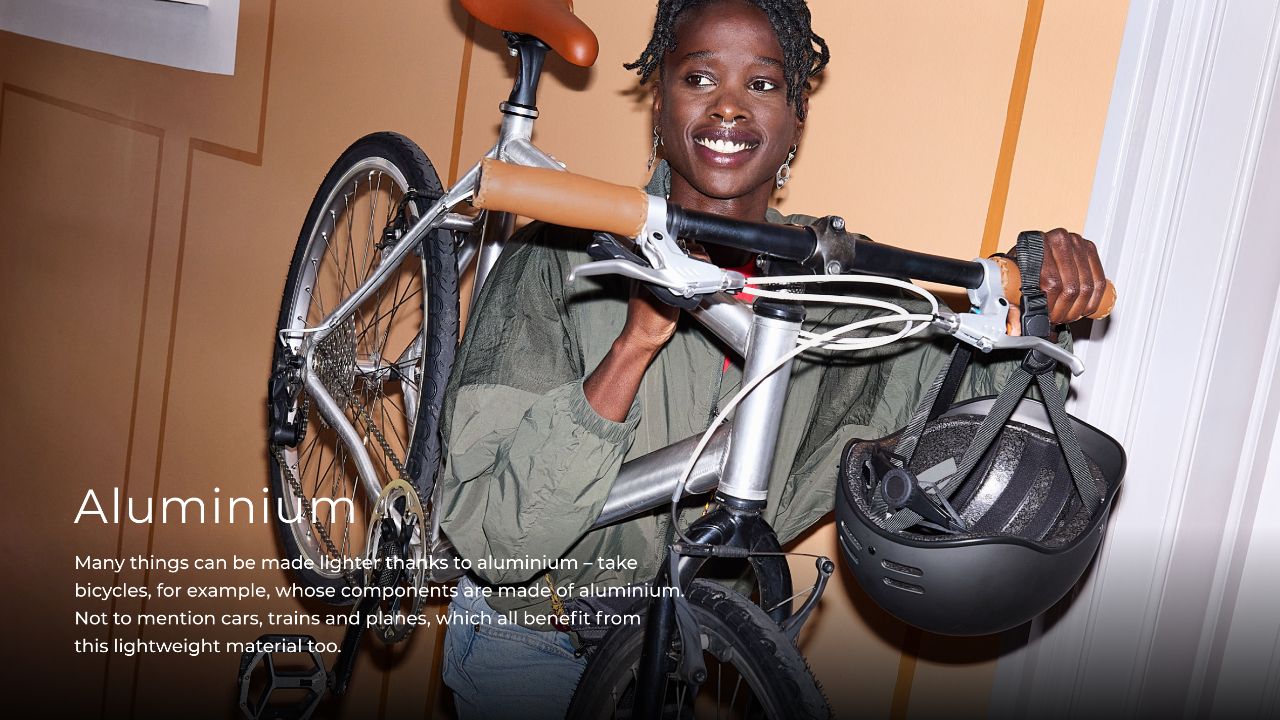
Aluminium can be found in many industrial sectors. And for good reason: it is both light and impressively strong and durable, making it a particularly valuable raw material for the automotive and transport sectors. Construction and renewable energy systems, such as photovoltaics, also rely on aluminium. And the material is important in everyday life too – from packaging to smartphones and refrigerators through to garden furniture.
But let's go back to the start: aluminium does not occur in nature in its pure form, but rather only in chemical aluminium compounds. In other words, aluminium must first be extracted – namely from bauxite. Bauxite is the world's most abundant source of aluminium ore and a natural raw material that can occur as solid rock or loose soil. What is special about aluminium is that it can be recycled endlessly with no loss of quality – and requires only five percent of the energy needed to produce primary aluminium. Countries with the highest levels of secondary aluminium production are China, the USA, Japan and Germany. Currently, the proportion of recycled aluminium worldwide is between 30 and 40 percent. We market products made from aluminium and aluminium oxide from a range of third parties.
-
146
million tonnes of aluminium are expected to be needed worldwide in 2050, according to the IEA.*
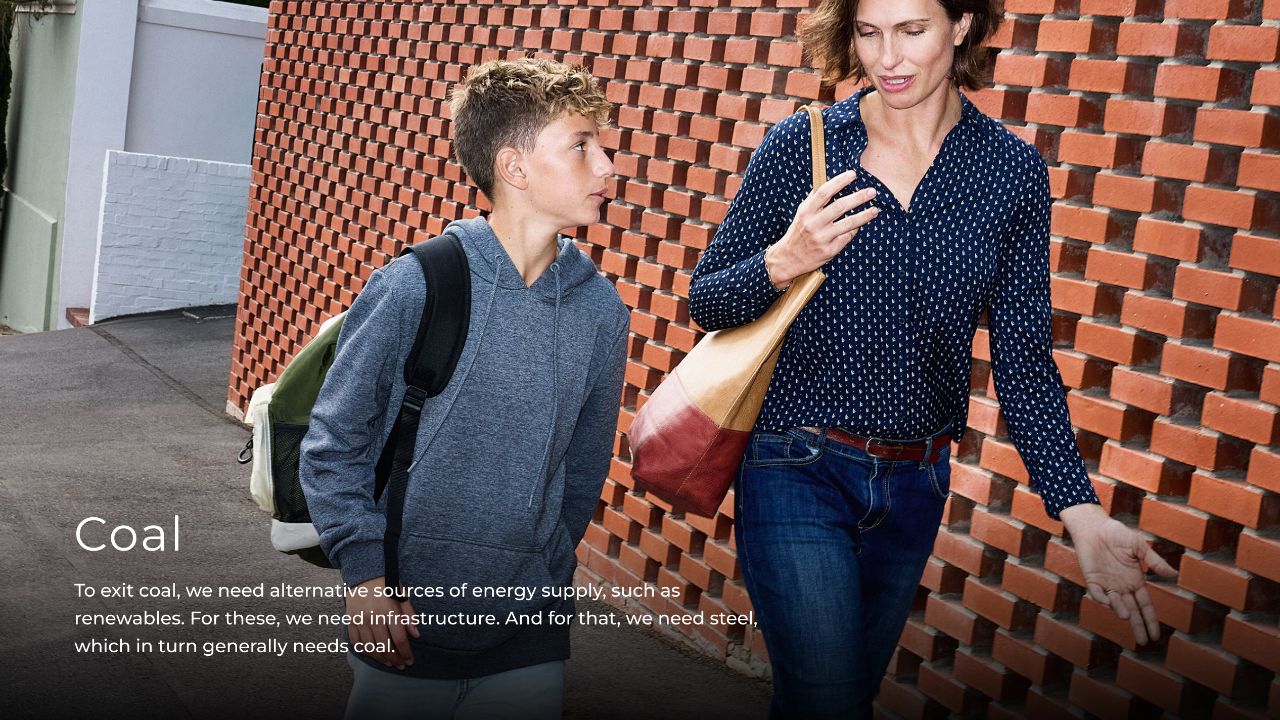
Coal is a combustible sedimentary rock formed from organic matter in the ground over millions of years. In addition to a great deal of time, this process required pressure, heat and the absence of air. Coal was already being mined in the United Kingdom and mainland Europe by the end of the 12th century. By the 19th century, coal had become a driving force for the economy as a source of energy. For many countries, including Switzerland, coal was an important accelerator of development.
Today, coal provides the world with a dilemma, as, on the one hand, the fossil fuel is one of the largest sources of CO2 emissions. On the other, coal remains a key element in the production of electricity, cement, steel and chemicals. In 2022, it is estimated that approx. 36% of global electricity was generated from thermal coal, approx. 90% of the world's cement was produced using coal, and about 70% of global steel production was dependent on coal.
Our coal operations are located in Australia, Canada, South Africa and Colombia.
-
345
million years – the approximate age of some coal deposits.
-
170
tons – the amount of steelmaking coal needed to manufacture one wind turbine.

Crude oil is a complex mix of more than 17,000 organic components. It is stored in the Earth's crust, from where it is extracted. Various oil products are obtained through industrial processing (refining). These are primarily fuels such as gasoline and diesel for vehicles, as well as jet fuel, heating oil and liquefied petroleum gas. We mainly source oil that is used as energy.
Byproducts of oil production also include asphalt, paraffin and lubricants – all of which are used in everyday life. Roads are made from asphalt, while paraffin is used to make candles and creams, among other things. Lubricants are needed in mechanical parts. Gearboxes in machines, for example. In the chemicals industry, crude oil is often required to produce plastics. Oil remains one of the world's most important commodities and, as there is currently no mature technology that can replace it across the board, it will continue to play a major role.
-
12000
years – approximately how long ago crude oil was first discovered.
-
158.98
liters – the amount of crude oil that fits into one barrel. This has become the accepted unit of measurement for crude oil.
Important information
This material does not purport to contain all of the information you may wish to consider.
For further important information, including in connection with forward-looking statements and other cautionary information, refer to the Important notice section of Glencore’s 2024 Annual Report, which is available at glencore.com/publications. This document does not constitute or form part of any offer or invitation to sell or issue, or any solicitation of any offer to purchase or subscribe for any securities.